
4 Shop Window Ideas That Pull in Passing Trade
 Ian Graham on
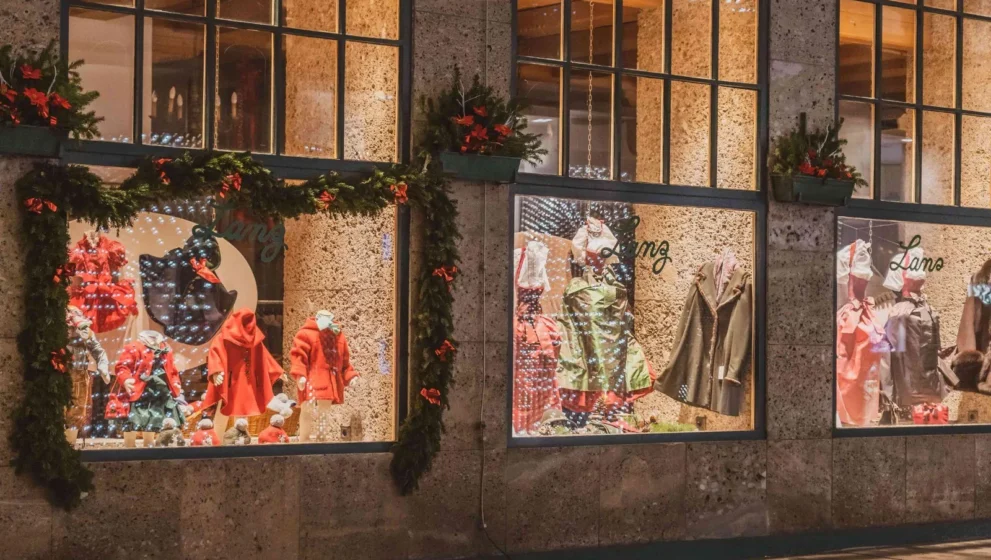
Most people walking past your shop give the window a few seconds. Some don’t give it any. Footfall on British high streets is never a sure thing, and a cluttered or forgettable display is often all it takes for someone to carry on walking. You don’t need a big overhaul to fix that. A few sensible design choices can turn your window into something that actually sells, and it keeps at it long after you’ve locked up and gone home.
There are four practical ways to get a display people notice and remember, and, if things go your way, walk into.
1. Start with the Basics
Composition is where it begins. The rule of thirds is a photography thing, originally. Picture your window split into a grid of nine, then put the important pieces along those lines instead of plonking everything dead centre. You get something balanced that doesn’t feel stiff, and the eye has somewhere to go.
Then you need a focal point. A striking mannequin can do the job, or a big bold sign, or just one hero product sitting there on its own. Which one you go for matters a lot less than having one at all. Shoppers want something to latch onto before they take in the rest, and without it even a lovely arrangement goes a bit blurry.
People tend to sort the lights out last. That’s a mistake. Lighting deserves as much thought as the stock, really. Spotlights pick out particular items, and warmer, softer light sets a mood that pulls people a step or two closer. Plenty of retailers more or less forget their windows exist once it gets dark, which is a shame, because after sunset a well-lit window might be the only advertising you’ve got.
2. Use Colour Psychology and Visual Contrast
Colour gets its point across before anyone’s read a word. Soft pastels feel gentle, caring. Bold reds and oranges are urgent and a bit exciting. Choose colours that suit your brand’s personality, and people get a quick sense of who you are, sometimes before they’ve worked out what you actually sell.
The practical side is different. Contrast is about making sure your products stand out from the backdrop rather than melting into it. Pale things usually look good against something dark. Deeper tones might do better with a bright, textured background behind them. Most people glance for a second or two, and that’s your lot, so everything has to read clearly from across the pavement.
Try not to use every colour you own. Two or three tones that sit well together look considered, maybe even a touch premium. A whole rainbow on the glass gets overwhelming quickly, however nice each bit is on its own.
3. Give It a Story
The windows people remember usually hint at a way of living. They’re not just a pile of products. Build around a theme, a cosy winter night in, a weekend away, that sort of thing, and customers can picture themselves using what you sell.
A lot of the heavy lifting here is done by small stuff. A coffee cup next to a book. A scarf thrown over the back of a chair. Props like these bring a warmth a bare mannequin never quite manages.
Seasonal relevance stops it all going stale. Change the display for the time of year, or a trend that’s picking up, or a new collection, and the regulars who walk past every day have a reason to look again. Leave it too long, and they’ll stop seeing your shopfront at all.
4. Optimise for Window Shoppers
People are only scanning, nearly always. Nobody stops for long. Simplicity wins for exactly that reason. A window crammed with competing items can lose someone before you’ve had a fair shot, so pick a handful of pieces and let the rest of the range stay inside where it belongs.
Positioning matters too. High-margin or seasonal products go at eye level, since that’s where they’re most likely to get spotted. Visible prices and a clear call to action help as well, making it easier for anyone curious to take the next step through the door.
And the small operational bits count. It’s worth thinking about why your card machine says something about your brand. A sleek, modern payment setup backs up the same professional feel your window already promised.
Putting It Together
A good shop window mixes composition, colour, storytelling, and practicality into one moment that persuades. Have a proper look at your current display and see how it stacks up against those four areas. Then keep changing it every so often, so local shoppers stay curious about what’s inside.
